A city built on water, vision, and bold imagination
Every bridge, warehouse, museum, and canal curve tells part of Amsterdam’s continuing story.
Table of Contents
From fishing village to mercantile power
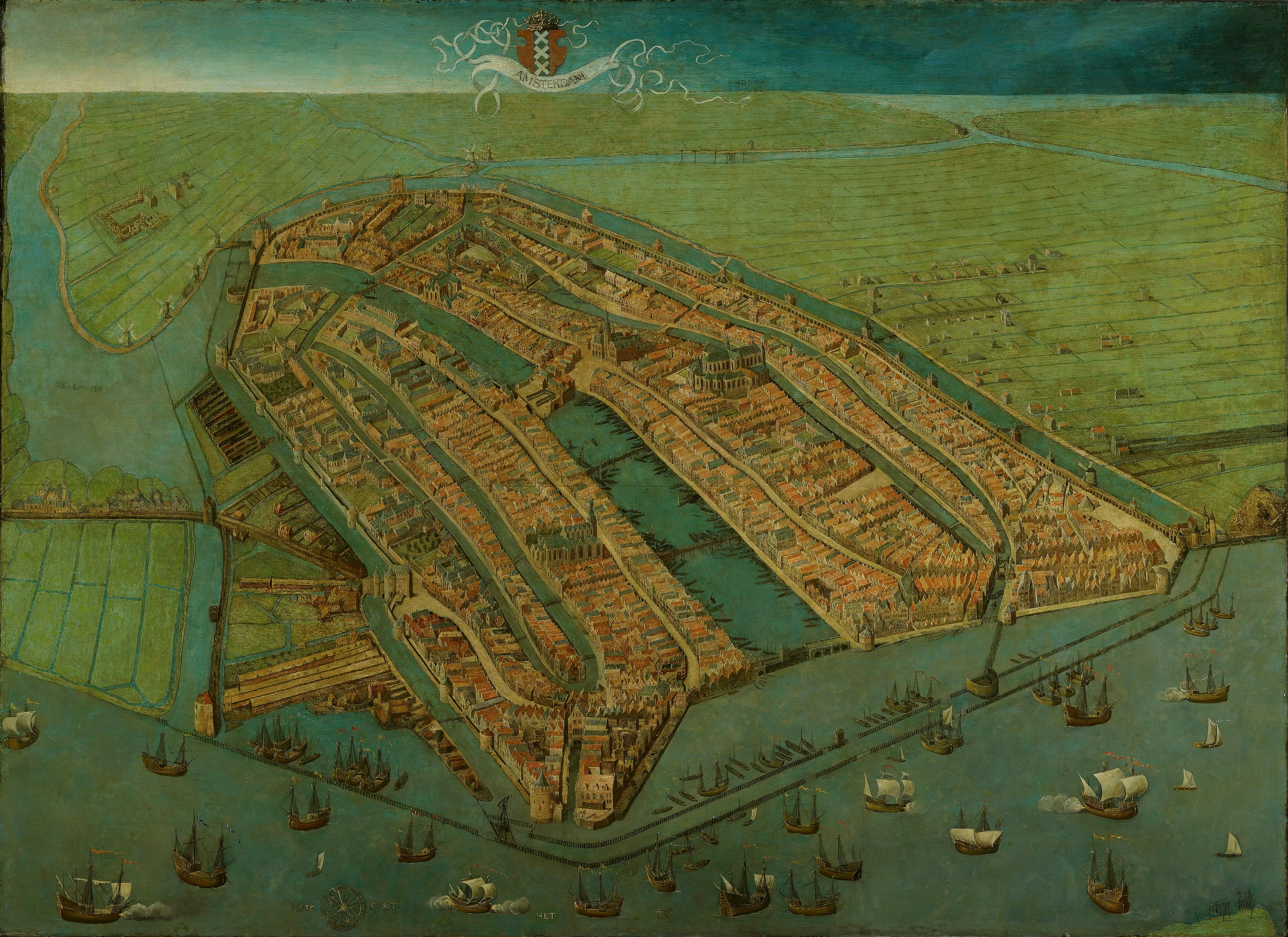
Long before Amsterdam became a global destination, it was a modest settlement shaped by mudflats, tides, and practical survival. Communities gathered near the Amstel River because water offered both risk and opportunity: it flooded, shifted, and demanded constant adaptation, yet it also created lifelines for fishing, transport, and exchange. Over time, local engineering skills, trade instincts, and cooperative governance transformed fragile marshland into a city of unusual ambition.
By the late medieval and early modern periods, Amsterdam was no longer peripheral. It evolved into a major mercantile center whose docks, warehouses, and markets connected northern Europe to wider global routes. This rise was not accidental: it came from systems—careful water management, institutional trust, and relentless commercial innovation. When you explore Amsterdam today with a City Card, you are not simply visiting attractions; you are moving through a landscape built by centuries of strategic thinking and collective effort.
Canals, engineering, and the Golden Age plan
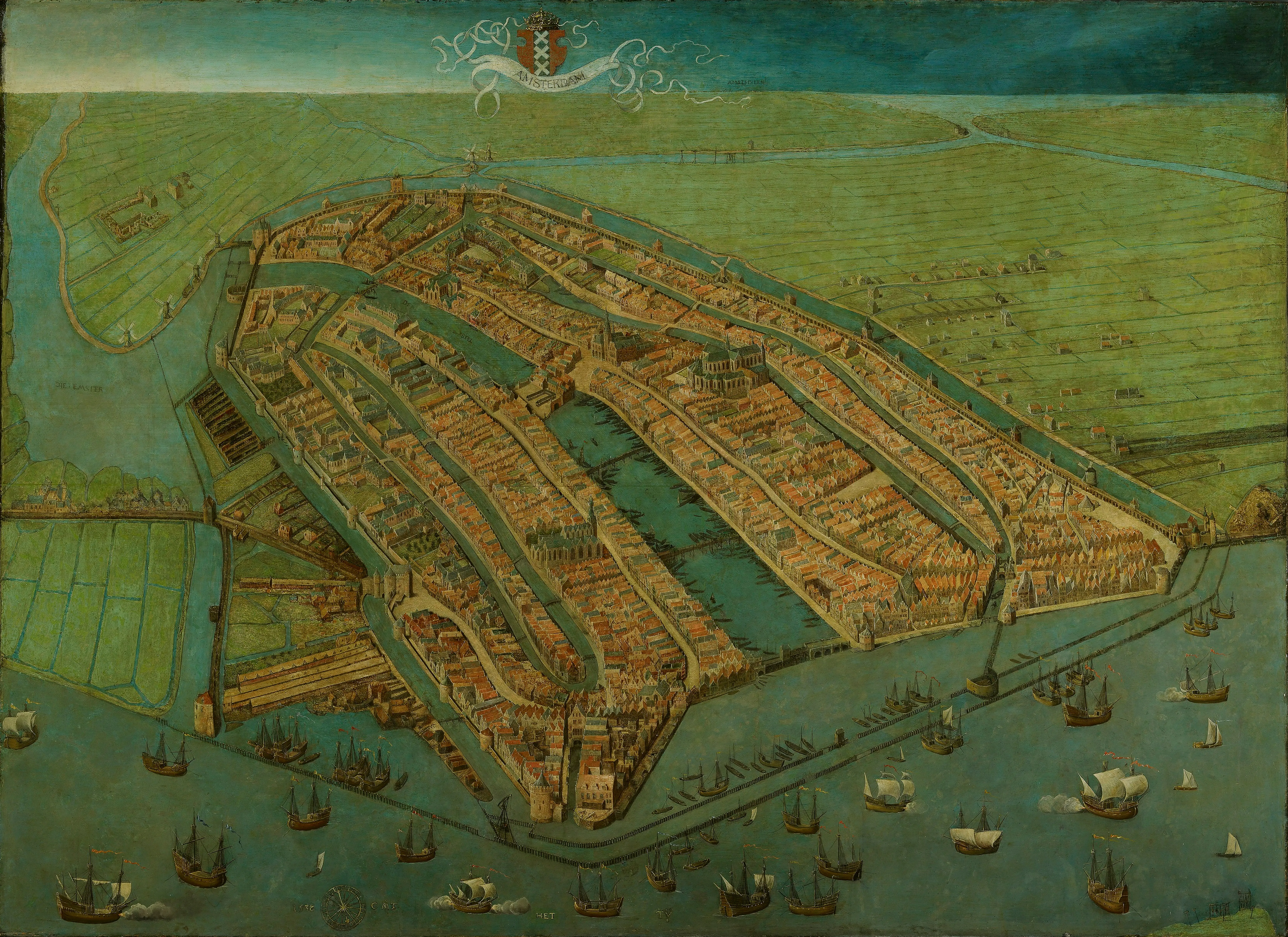
Amsterdam’s iconic canal belt is often admired for its beauty, but it began as a practical urban masterpiece. During the 17th century, city planners developed a coherent expansion model: semicircular canals, parcel systems, drainage logic, and transport utility all integrated into one elegant framework. The result was a city that looked graceful while functioning efficiently, where water acted as infrastructure, defense, and commercial corridor at once.
Walking these canals today, you still read that design intelligence in the alignment of streets, the rhythm of bridges, and the narrow yet expressive facades of canal houses. What appears picturesque was also highly rational. Amsterdam’s beauty is inseparable from its engineering discipline, and this dual identity—pragmatic and poetic—remains one of the city’s most compelling traits for modern visitors.
Trade networks, ports, and global connections
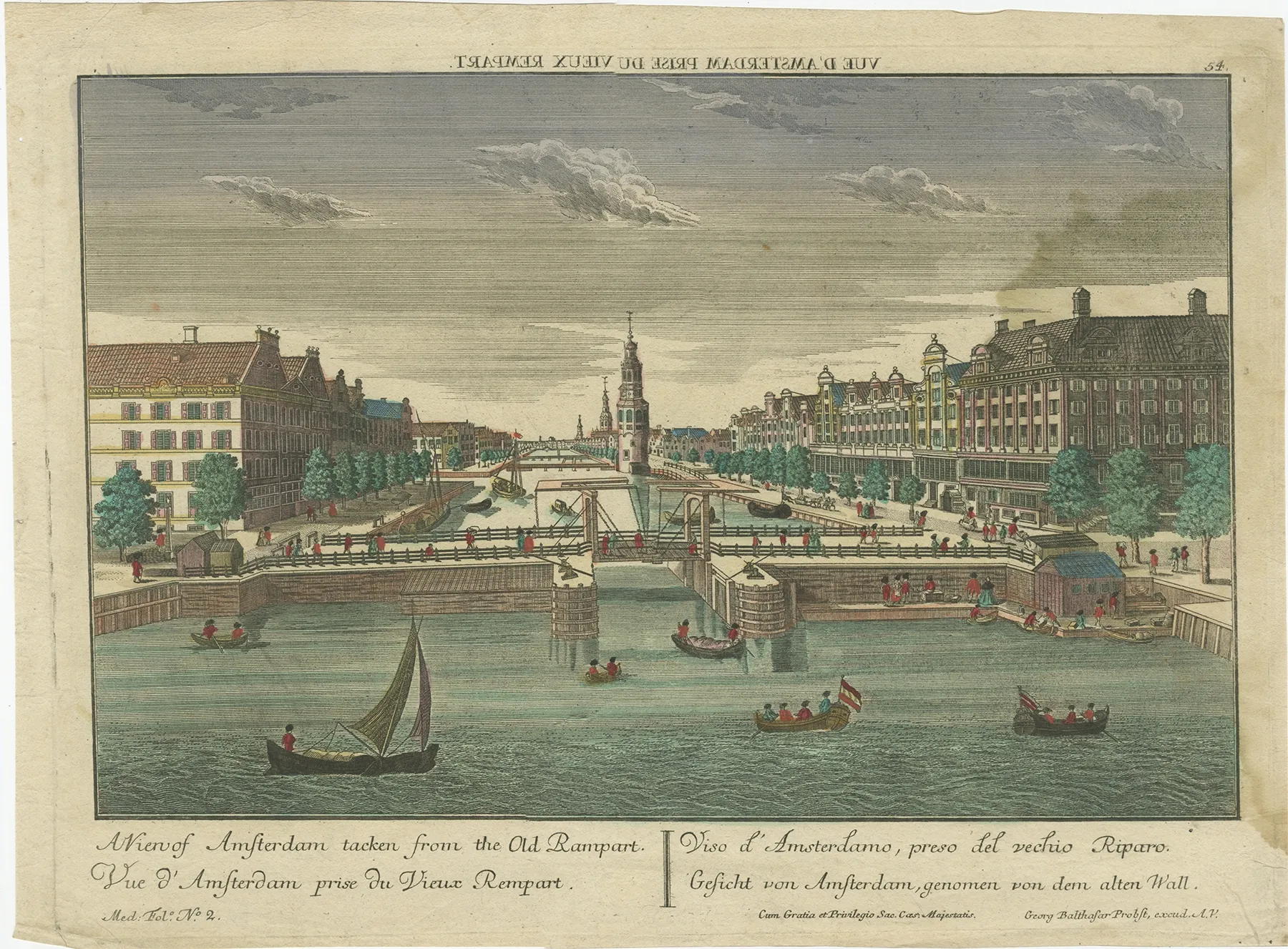
As maritime trade intensified, Amsterdam became a node in vast and often unequal global networks. Goods, people, ideas, and capital flowed through its port, enriching the city while tying it to distant geographies and complex histories. Spices, textiles, timber, grain, maps, scientific instruments, and financial innovations all passed through warehouses and counting houses that powered urban growth.
Today, several museums and heritage sites help visitors engage this legacy with nuance: not only the prosperity and artistic patronage it enabled, but also the social costs and moral questions embedded in imperial and colonial systems. This layered perspective is one reason Amsterdam feels intellectually alive; it invites admiration and critical reflection at the same time.
Art, ideas, and civic identity
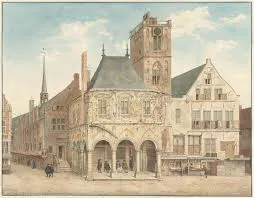
Amsterdam’s artistic tradition flourished in a society where merchants, guilds, regents, and civic institutions commissioned portraits, interiors, and public works that reflected both status and shared identity. In this environment, painters developed extraordinary technical skill and narrative depth, capturing light, texture, domestic life, and psychological presence with enduring impact.
Yet the city’s cultural life extended beyond canvases. Printing, science, philosophy, architecture, and urban debate all contributed to a broader ecosystem of ideas. A modern City Card journey through museums and neighborhoods makes this continuity tangible: art here is not isolated heritage, but part of a living civic conversation that still shapes Amsterdam’s self-understanding.
Faith, tolerance, and urban diversity
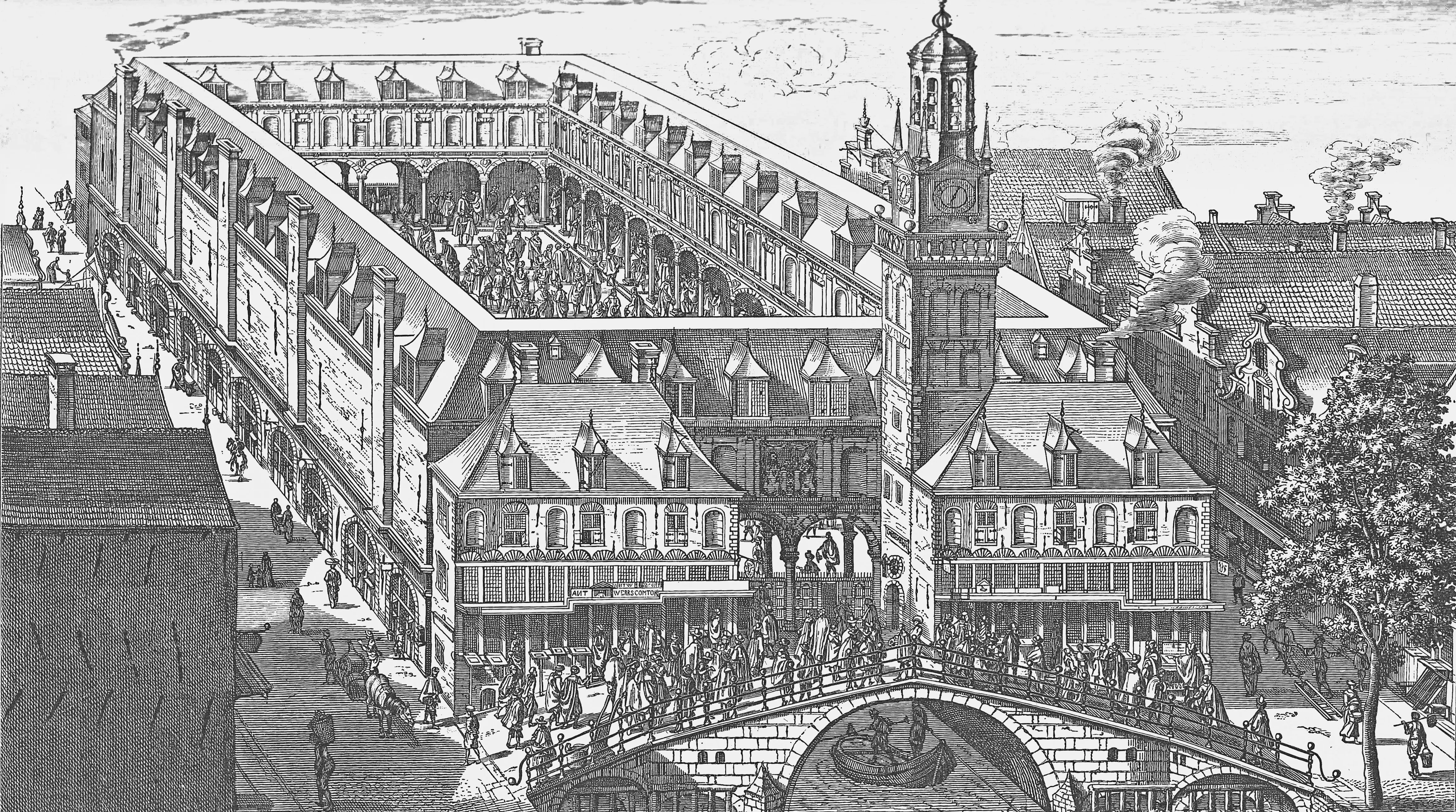
Amsterdam has long been associated with relative openness, attracting migrants, artisans, thinkers, and communities seeking economic opportunity or religious refuge. This reputation was never simple or perfect, but it did foster a city where multiple languages, beliefs, and customs overlapped in dense urban space.
That plural heritage remains visible in architecture, food culture, neighborhood rhythms, and community institutions. Exploring with a City Card often reveals this diversity gradually: one museum illuminates a historical chapter, then a nearby street, market, or café shows how those histories continue in everyday life.
Industrial change and modern expansion
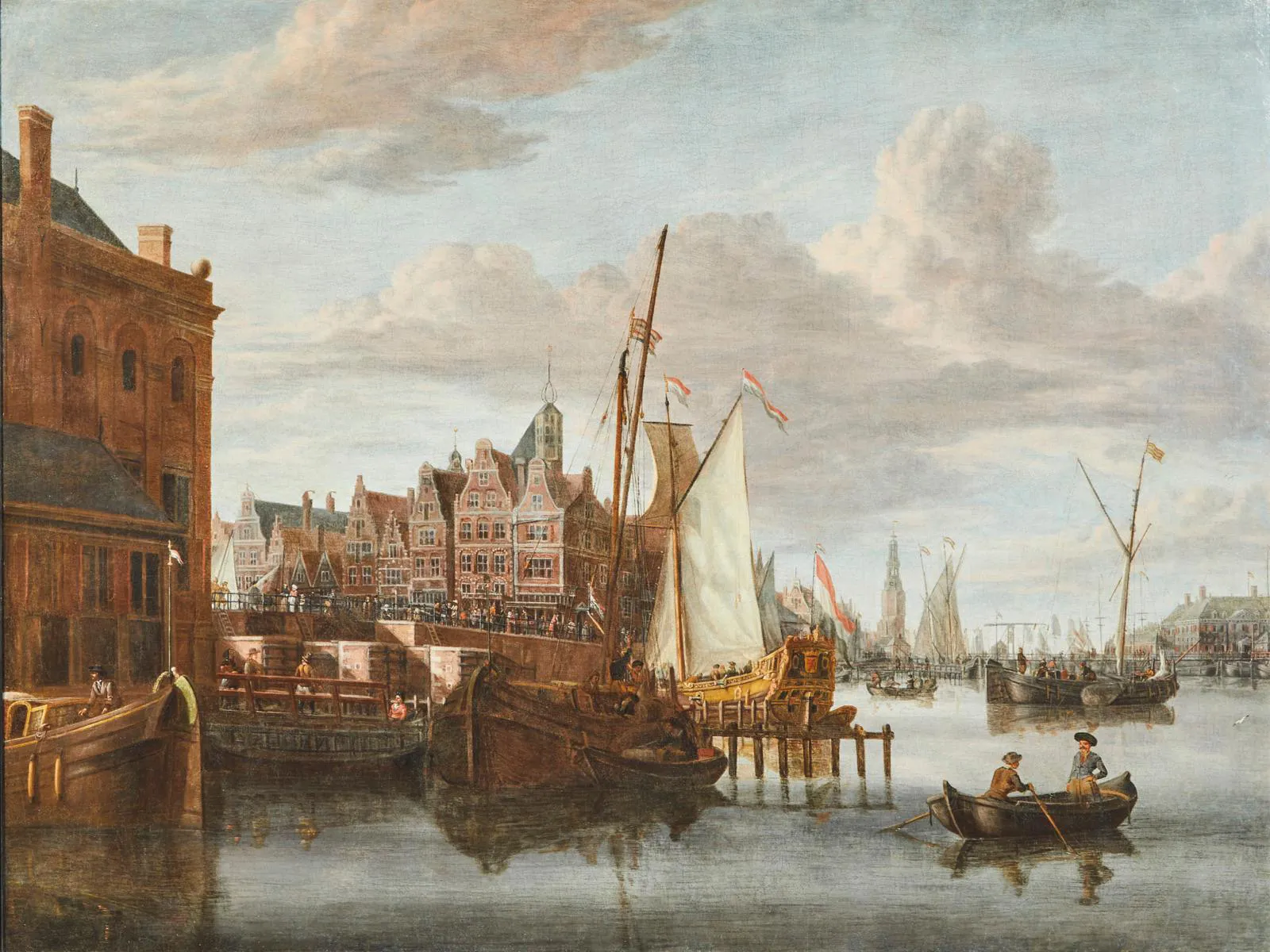
Like many European cities, Amsterdam underwent dramatic change during industrialization and the 19th-20th centuries. Rail links, new districts, social reforms, and public services reshaped urban life, while debates over housing, labor, and sanitation drove municipal innovation.
The modern city you visit today—efficient trams, active public spaces, strong cultural institutions, and carefully preserved heritage—emerged from that long process of adaptation. Amsterdam’s success was not static preservation but active reinvention: protecting what matters while redesigning what no longer works.
War, memory, and resilience
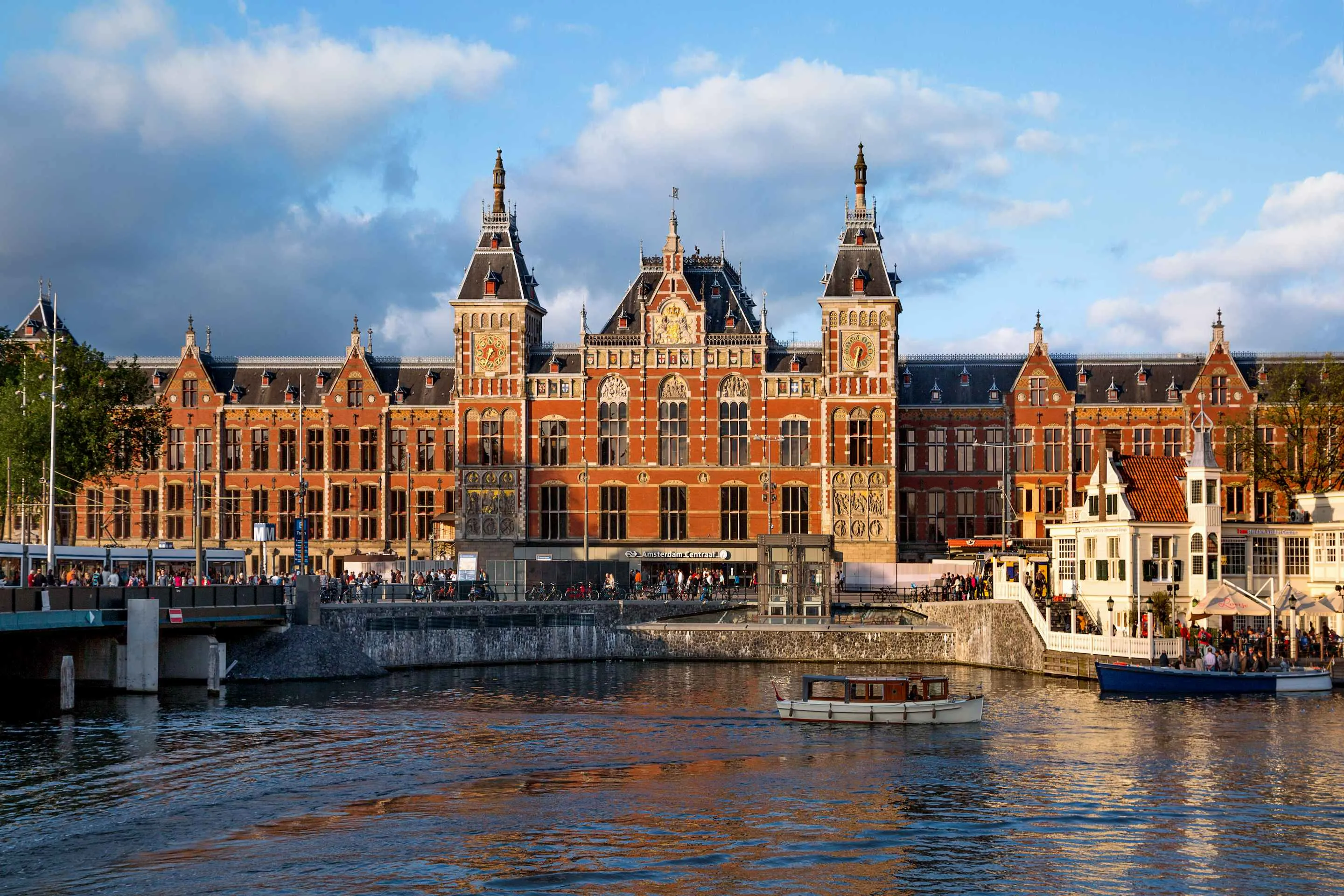
The 20th century brought profound trauma, especially during the Second World War and the Nazi occupation of the Netherlands. Amsterdam’s Jewish communities, civic fabric, and moral landscape were deeply scarred. The city’s memory culture—through museums, monuments, archives, and educational programs—reflects an ongoing commitment to remembrance and responsibility.
Visitors who approach these places with attention often find that Amsterdam’s story gains emotional depth. Alongside picturesque canals and celebrated art, there are chapters of loss, courage, complicity, and resilience. Engaging both beauty and difficulty is part of understanding the city honestly.
Museums as living memory
Amsterdam’s museums are not merely repositories of objects; they are dynamic institutions that interpret the past for contemporary audiences. Through curation, conservation, digital storytelling, and rotating exhibitions, they connect historical evidence with present-day questions about identity, justice, creativity, and belonging.
This is where the City Card becomes especially valuable: it lowers access barriers and encourages intellectual curiosity. You can visit a major museum in the morning, then a smaller specialized venue later, creating meaningful links across topics that might otherwise remain disconnected.
Bicycles, trams, and human-scale mobility
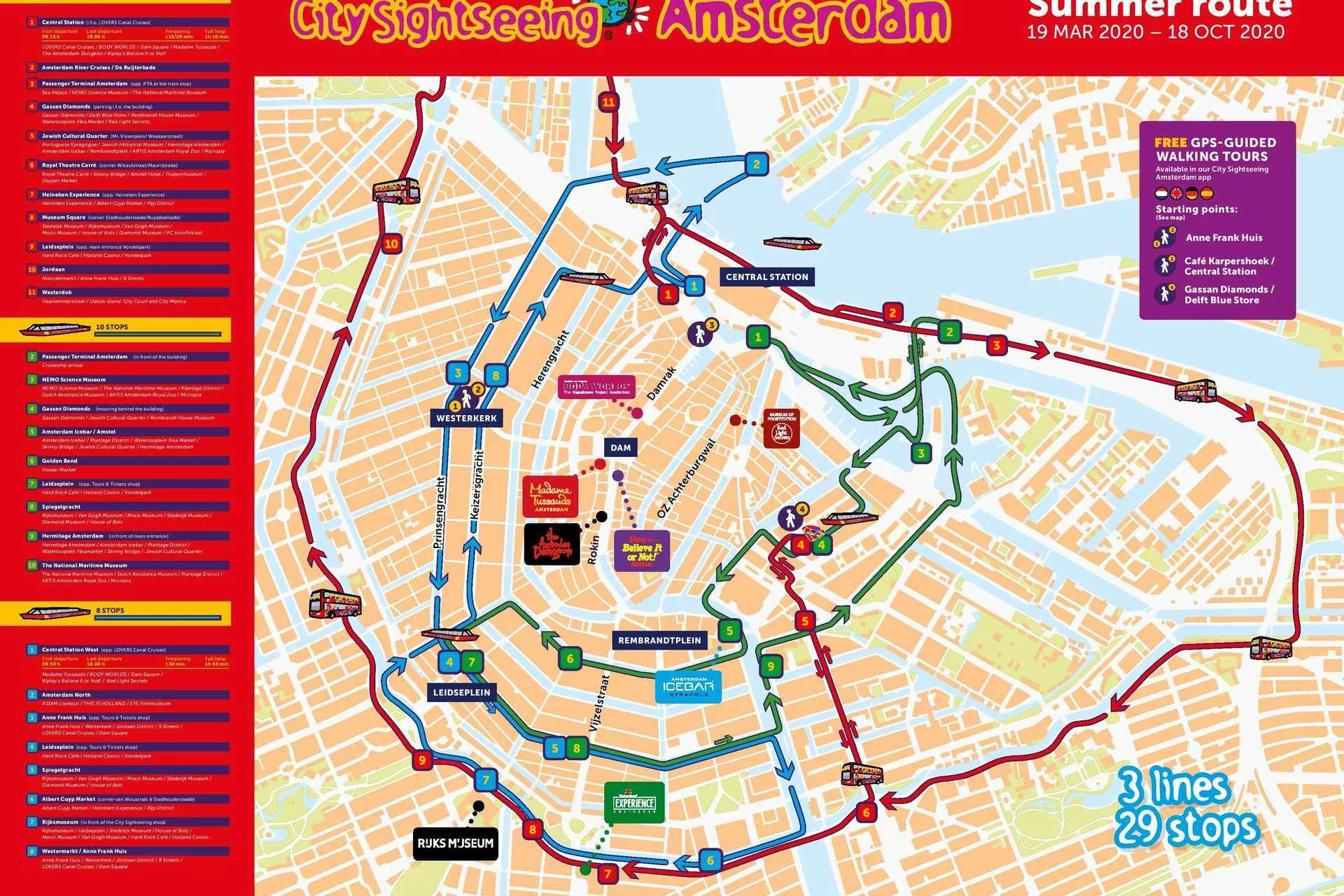
Mobility in Amsterdam tells a story of priorities. Streets are designed to support everyday life rather than only car throughput, with cycling culture, public transport reliability, and walkable districts forming a coherent urban ecosystem. This does not eliminate crowding or complexity, but it creates a city experience that feels legible and humane.
For visitors, this translates into freedom. With thoughtful routing and the support of a City Card, you can cross the city efficiently while still feeling connected to place. Moving itself becomes part of the pleasure, not just a transition between attractions.
How the City Card fits today’s traveler
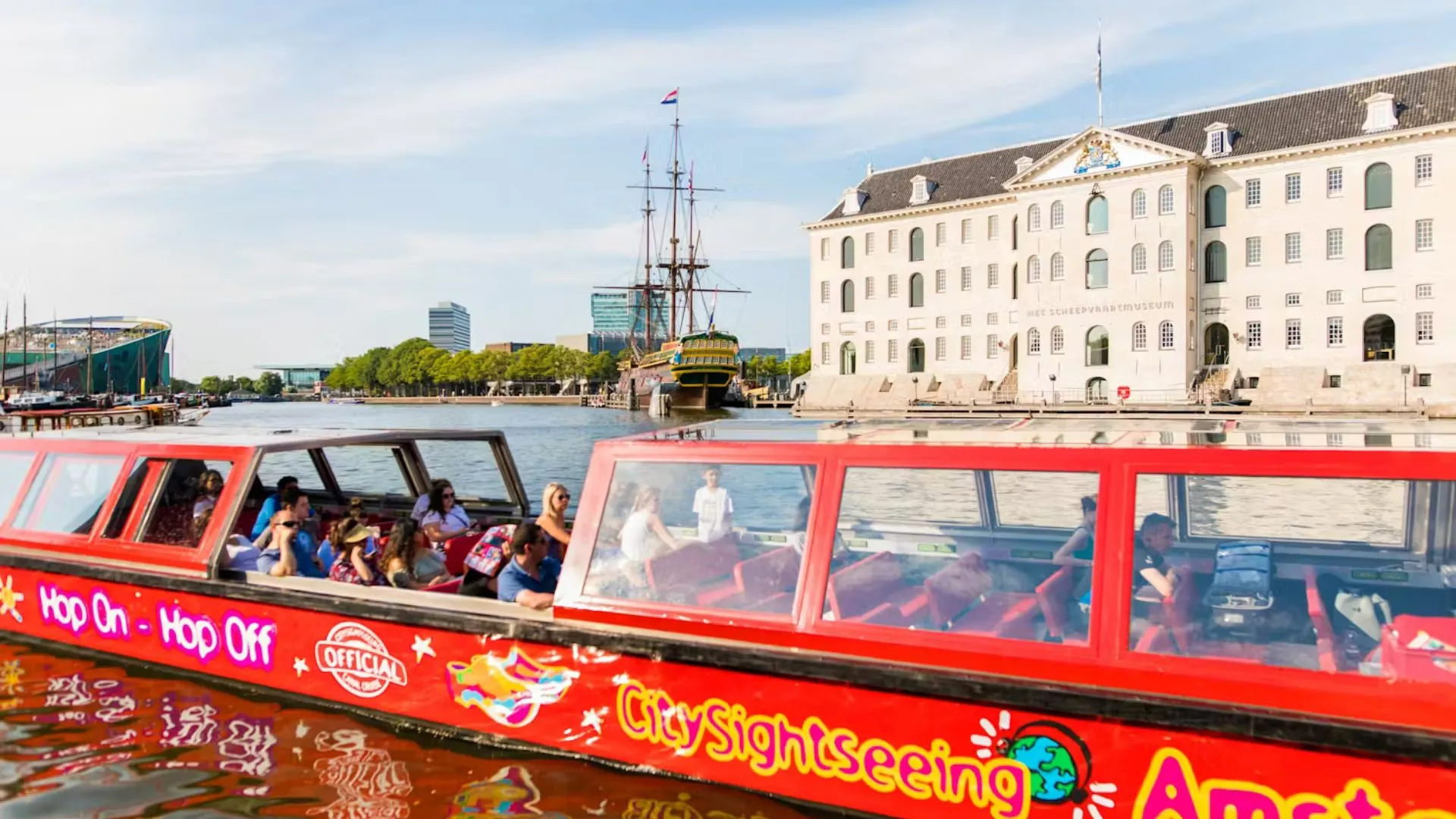
Modern travel often struggles with overplanning: too many tabs, too many micro-decisions, too much fear of missing out. The Amsterdam City Card offers a different rhythm. By consolidating key inclusions and simplifying access patterns, it helps you make better choices with less friction.
Used well, the card supports quality over quantity. Reserve a few anchor experiences, then let neighborhoods, weather, and energy guide the rest. This approach tends to produce not only better logistics, but also more memorable and personal travel stories.
Neighborhood character beyond the center
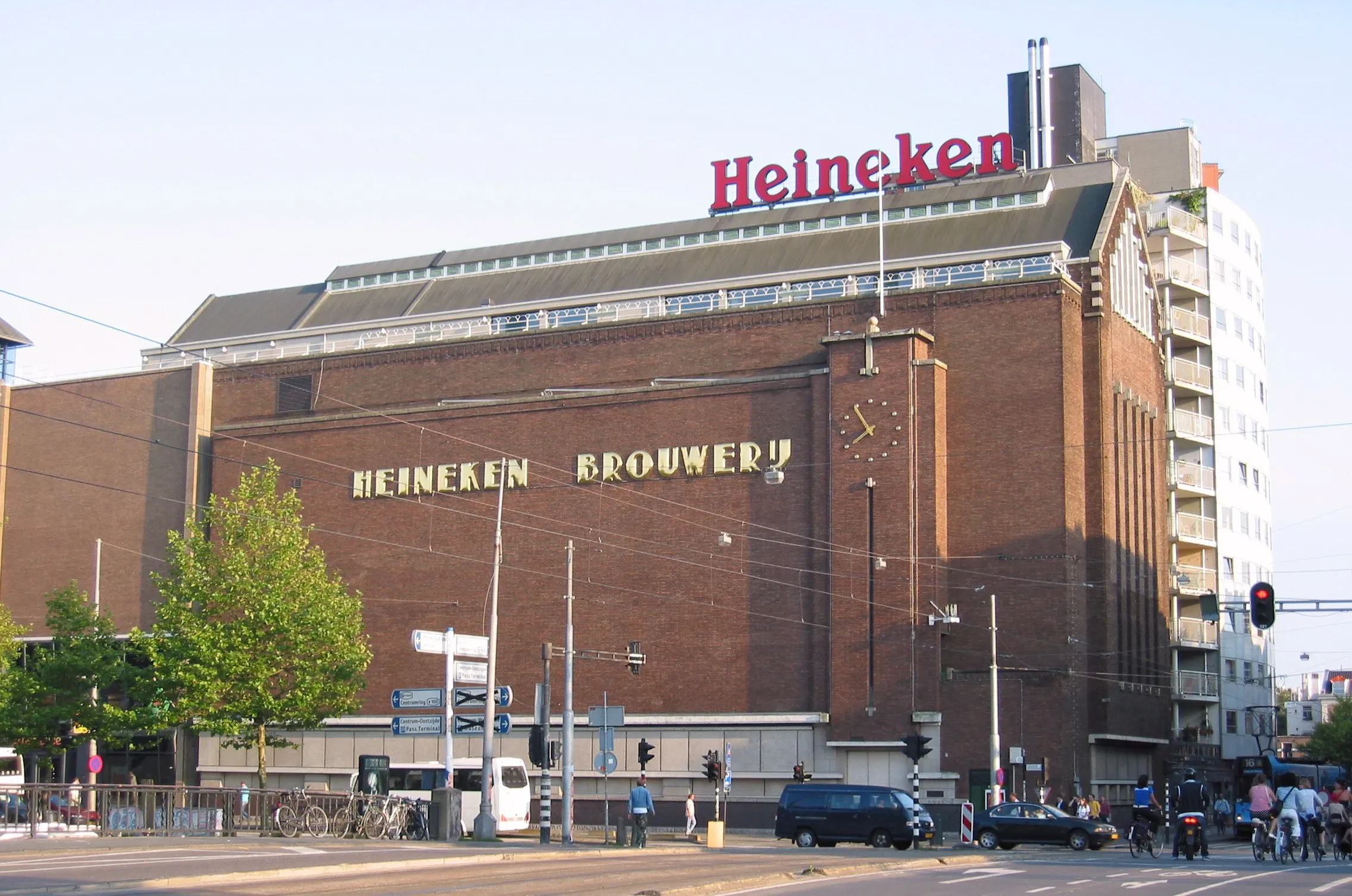
While the canal core is magnificent, Amsterdam’s personality expands in its surrounding districts: creative spaces, quieter residential streets, local food scenes, and community-driven cultural venues. These areas reveal the city as lived reality, not only as heritage image.
A well-used City Card invites this broader exploration. After your key museums, take time to wander, observe, and pause. Often, the moments travelers remember most are not headline attractions, but ordinary scenes: a corner bakery, a small gallery conversation, or evening light across a local square.
Canal viewpoints and reflective moments

Canal viewpoints are more than photo spots. They offer perspective on scale, design, and continuity: how centuries-old buildings remain integrated into contemporary urban life, and how water still structures the city’s movement and atmosphere.
At dusk, when reflections sharpen and street sounds soften, Amsterdam often feels both intimate and expansive. These pauses matter. They create the emotional space where information from museums and history turns into personal understanding.
Why Amsterdam rewards curious visitors
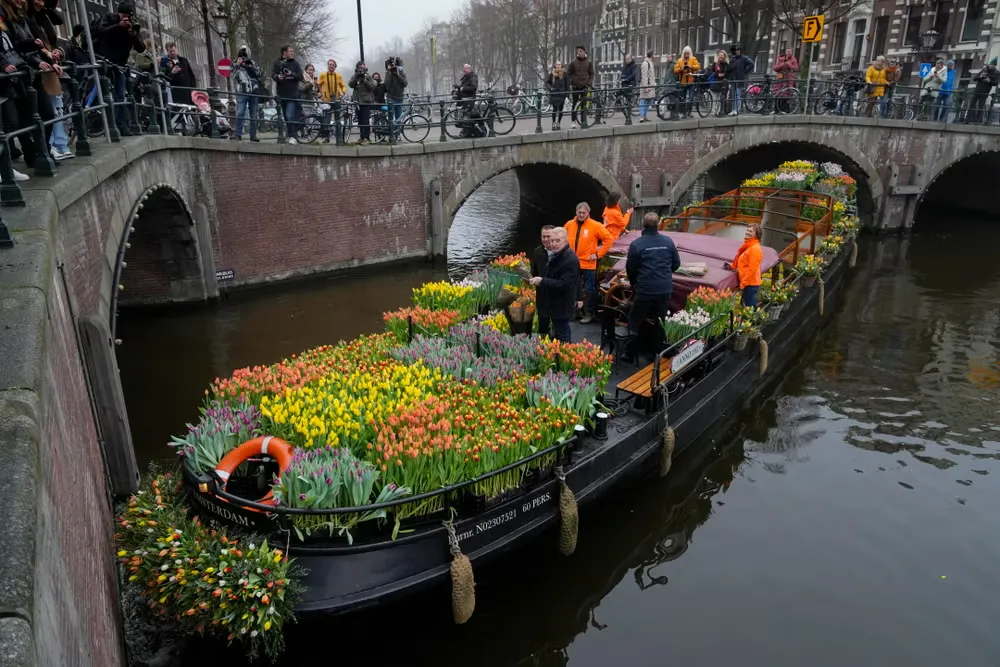
Amsterdam is easy to admire quickly, but it is richer when explored patiently. Its layers—commercial, artistic, social, political, and architectural—unfold through attention, not speed. The City Card works best when treated as an invitation to curiosity rather than a race to maximize entries.
By the end of your visit, the city often feels less like a checklist and more like a conversation: between past and present, beauty and complexity, global history and local life. That is the deeper value of traveling Amsterdam thoughtfully—it stays with you long after you leave.
Table of Contents
From fishing village to mercantile power
Long before Amsterdam became a global destination, it was a modest settlement shaped by mudflats, tides, and practical survival. Communities gathered near the Amstel River because water offered both risk and opportunity: it flooded, shifted, and demanded constant adaptation, yet it also created lifelines for fishing, transport, and exchange. Over time, local engineering skills, trade instincts, and cooperative governance transformed fragile marshland into a city of unusual ambition.
By the late medieval and early modern periods, Amsterdam was no longer peripheral. It evolved into a major mercantile center whose docks, warehouses, and markets connected northern Europe to wider global routes. This rise was not accidental: it came from systems—careful water management, institutional trust, and relentless commercial innovation. When you explore Amsterdam today with a City Card, you are not simply visiting attractions; you are moving through a landscape built by centuries of strategic thinking and collective effort.
Canals, engineering, and the Golden Age plan
Amsterdam’s iconic canal belt is often admired for its beauty, but it began as a practical urban masterpiece. During the 17th century, city planners developed a coherent expansion model: semicircular canals, parcel systems, drainage logic, and transport utility all integrated into one elegant framework. The result was a city that looked graceful while functioning efficiently, where water acted as infrastructure, defense, and commercial corridor at once.
Walking these canals today, you still read that design intelligence in the alignment of streets, the rhythm of bridges, and the narrow yet expressive facades of canal houses. What appears picturesque was also highly rational. Amsterdam’s beauty is inseparable from its engineering discipline, and this dual identity—pragmatic and poetic—remains one of the city’s most compelling traits for modern visitors.
Trade networks, ports, and global connections
As maritime trade intensified, Amsterdam became a node in vast and often unequal global networks. Goods, people, ideas, and capital flowed through its port, enriching the city while tying it to distant geographies and complex histories. Spices, textiles, timber, grain, maps, scientific instruments, and financial innovations all passed through warehouses and counting houses that powered urban growth.
Today, several museums and heritage sites help visitors engage this legacy with nuance: not only the prosperity and artistic patronage it enabled, but also the social costs and moral questions embedded in imperial and colonial systems. This layered perspective is one reason Amsterdam feels intellectually alive; it invites admiration and critical reflection at the same time.
Art, ideas, and civic identity
Amsterdam’s artistic tradition flourished in a society where merchants, guilds, regents, and civic institutions commissioned portraits, interiors, and public works that reflected both status and shared identity. In this environment, painters developed extraordinary technical skill and narrative depth, capturing light, texture, domestic life, and psychological presence with enduring impact.
Yet the city’s cultural life extended beyond canvases. Printing, science, philosophy, architecture, and urban debate all contributed to a broader ecosystem of ideas. A modern City Card journey through museums and neighborhoods makes this continuity tangible: art here is not isolated heritage, but part of a living civic conversation that still shapes Amsterdam’s self-understanding.
Faith, tolerance, and urban diversity
Amsterdam has long been associated with relative openness, attracting migrants, artisans, thinkers, and communities seeking economic opportunity or religious refuge. This reputation was never simple or perfect, but it did foster a city where multiple languages, beliefs, and customs overlapped in dense urban space.
That plural heritage remains visible in architecture, food culture, neighborhood rhythms, and community institutions. Exploring with a City Card often reveals this diversity gradually: one museum illuminates a historical chapter, then a nearby street, market, or café shows how those histories continue in everyday life.
Industrial change and modern expansion
Like many European cities, Amsterdam underwent dramatic change during industrialization and the 19th-20th centuries. Rail links, new districts, social reforms, and public services reshaped urban life, while debates over housing, labor, and sanitation drove municipal innovation.
The modern city you visit today—efficient trams, active public spaces, strong cultural institutions, and carefully preserved heritage—emerged from that long process of adaptation. Amsterdam’s success was not static preservation but active reinvention: protecting what matters while redesigning what no longer works.
War, memory, and resilience
The 20th century brought profound trauma, especially during the Second World War and the Nazi occupation of the Netherlands. Amsterdam’s Jewish communities, civic fabric, and moral landscape were deeply scarred. The city’s memory culture—through museums, monuments, archives, and educational programs—reflects an ongoing commitment to remembrance and responsibility.
Visitors who approach these places with attention often find that Amsterdam’s story gains emotional depth. Alongside picturesque canals and celebrated art, there are chapters of loss, courage, complicity, and resilience. Engaging both beauty and difficulty is part of understanding the city honestly.
Museums as living memory
Amsterdam’s museums are not merely repositories of objects; they are dynamic institutions that interpret the past for contemporary audiences. Through curation, conservation, digital storytelling, and rotating exhibitions, they connect historical evidence with present-day questions about identity, justice, creativity, and belonging.
This is where the City Card becomes especially valuable: it lowers access barriers and encourages intellectual curiosity. You can visit a major museum in the morning, then a smaller specialized venue later, creating meaningful links across topics that might otherwise remain disconnected.
Bicycles, trams, and human-scale mobility
Mobility in Amsterdam tells a story of priorities. Streets are designed to support everyday life rather than only car throughput, with cycling culture, public transport reliability, and walkable districts forming a coherent urban ecosystem. This does not eliminate crowding or complexity, but it creates a city experience that feels legible and humane.
For visitors, this translates into freedom. With thoughtful routing and the support of a City Card, you can cross the city efficiently while still feeling connected to place. Moving itself becomes part of the pleasure, not just a transition between attractions.
How the City Card fits today’s traveler
Modern travel often struggles with overplanning: too many tabs, too many micro-decisions, too much fear of missing out. The Amsterdam City Card offers a different rhythm. By consolidating key inclusions and simplifying access patterns, it helps you make better choices with less friction.
Used well, the card supports quality over quantity. Reserve a few anchor experiences, then let neighborhoods, weather, and energy guide the rest. This approach tends to produce not only better logistics, but also more memorable and personal travel stories.
Neighborhood character beyond the center
While the canal core is magnificent, Amsterdam’s personality expands in its surrounding districts: creative spaces, quieter residential streets, local food scenes, and community-driven cultural venues. These areas reveal the city as lived reality, not only as heritage image.
A well-used City Card invites this broader exploration. After your key museums, take time to wander, observe, and pause. Often, the moments travelers remember most are not headline attractions, but ordinary scenes: a corner bakery, a small gallery conversation, or evening light across a local square.
Canal viewpoints and reflective moments
Canal viewpoints are more than photo spots. They offer perspective on scale, design, and continuity: how centuries-old buildings remain integrated into contemporary urban life, and how water still structures the city’s movement and atmosphere.
At dusk, when reflections sharpen and street sounds soften, Amsterdam often feels both intimate and expansive. These pauses matter. They create the emotional space where information from museums and history turns into personal understanding.
Why Amsterdam rewards curious visitors
Amsterdam is easy to admire quickly, but it is richer when explored patiently. Its layers—commercial, artistic, social, political, and architectural—unfold through attention, not speed. The City Card works best when treated as an invitation to curiosity rather than a race to maximize entries.
By the end of your visit, the city often feels less like a checklist and more like a conversation: between past and present, beauty and complexity, global history and local life. That is the deeper value of traveling Amsterdam thoughtfully—it stays with you long after you leave.